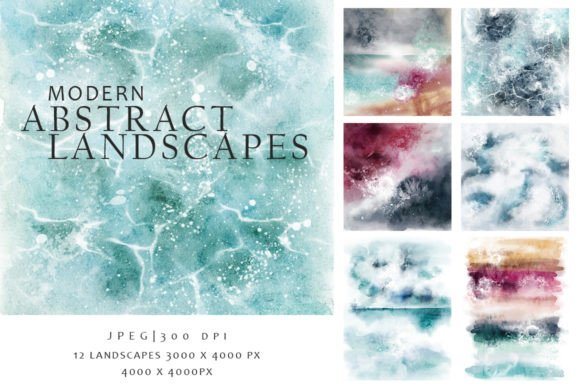
Modern Abstract Landscapes: Elevate Your Visual Design
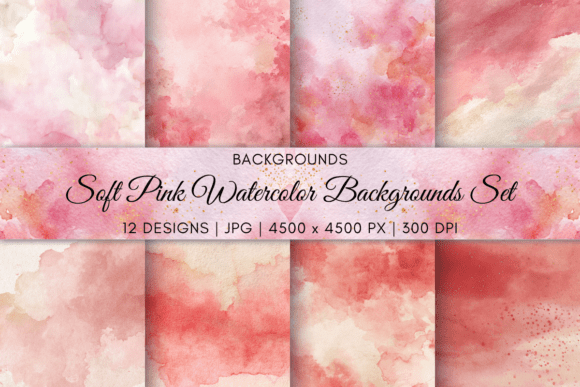
In the competitive world of graphic design, finding visual assets that are both unique and versatile is a constant pursuit. Modern Abstract Landscapes, especially those with a hand-drawn watercolor texture, offer a compelling solution. These assets bridge the gap between organic artistry and contemporary design needs, providing a rich foundation for countless creative projects. This collection of 12 high-resolution JPEGs is engineered for professional use, enabling designers to craft standout work with efficiency and style.
The Role of Abstract Aesthetics in Modern Branding
Abstract landscapes move beyond literal representation, evoking emotion, mood, and concept. This makes them exceptionally powerful in visual communication. For brand identity, they can symbolize vision, growth, or tranquility without being tied to a specific product. The watercolor texture adds a layer of authenticity and craftsmanship, which can soften a brand's digital presence and create a memorable tactile feel, even on screen. This approach aligns with current design trends that value human touch and nuanced aesthetics.
Practical Applications Across Design Disciplines
The true value of these assets lies in their adaptability. They are not limited to a single project type. Consider their integration into various facets of your design workflow:
- Branding & Logo Design: Use abstract landscapes as background elements or secondary brand marks to add depth and visual interest to stationery and brand guidelines.
- Digital Marketing & Social Media: Create scroll-stopping graphics for posts, ads, and email headers that stand out in a crowded feed, enhancing user engagement.
- Editorial & Web Design: Serve as captivating hero images, section dividers, or subtle background textures that improve the visual hierarchy of a layout without overwhelming text.
- Packaging & Print Design: Apply them to product labels, shopping bags, or editorial spreads to convey a premium, artistic quality.
- Presentations & Merchandise: Transform slideshows and physical products like posters or apparel into sophisticated visual experiences.
Tips for Effective Integration and Composition
To maximize impact, thoughtful application is key. First, assess the color palette of the landscape against your existing brand colors. Do they harmonize or provide a strategic contrast? Next, consider visual hierarchy. A busy abstract background may require a bold, clear typography treatment for readability. Always ensure the resolution (300dpi in this case) is appropriate for your medium—essential for crisp print design and high-quality digital displays.
When combining elements, aim for consistency. Using multiple landscapes from a single set ensures a cohesive look across a campaign or brand touchpoints. Think of these assets as a versatile color palette and texture library in one. They can inspire new directions for a creative project, acting as a catalyst for developing a complete visual design system.
Ultimately, incorporating high-quality creative assets like these is an investment in efficiency and excellence. They provide a professional starting point that can be customized to fit precise brand guidelines and project goals. By choosing resources that prioritize both aesthetic appeal and practical utility, designers and creators can elevate their work, ensuring every piece of communication is not only seen but felt, fostering stronger connections and achieving superior design quality.