Moonlight: A Celestial Typeface for Luxury Design
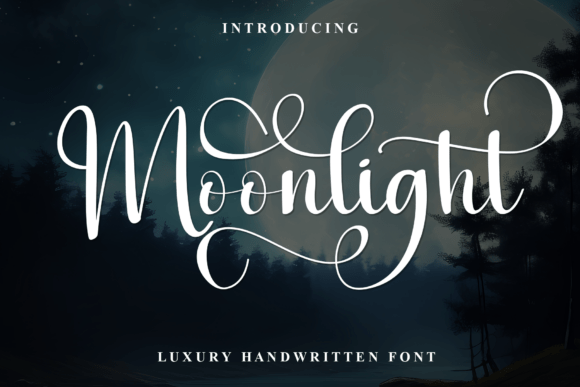
Immerse your designs in the glow of Moonlight, a celestial luxury typeface that captures the magic of a starlit night. For graphic designers and brand strategists seeking to infuse projects with ethereal mystery and high-end elegance, this font offers a powerful tool for visual storytelling. Its dramatic, sweeping flourishes and high-contrast strokes are engineered to create an immediate sense of wonder, making it far more than just a letterform—it's an experience.
The Anatomy of Celestial Typography
Moonlight is a masterpiece of calligraphic artistry. Each letterform features intricate loops and a poetic flow that mimics the work of a custom letterer. The design's strength lies in its contrast: thick, confident downstrokes meet delicate, hairline upstrokes, creating a dynamic rhythm across the page. This high-contrast style is a key trend in modern design, offering a blend of classic sophistication and contemporary flair. The typeface is specifically designed to shine on dark, moody backgrounds, where its elegant curves can serve as a radiant focal point, evoking the mystery of a night sky.
Practical Applications for Creative Projects
Understanding where and how to deploy a specialty typeface like Moonlight is crucial for effective visual communication. Its distinctive personality makes it ideal for projects that demand a touch of luxury, fantasy, or refined romance. Consider integrating it into your design workflow for:
- Branding and Logo Design: Perfect for high-end boutique logos, cosmetic lines, jewelry brands, or boutique hotel identities where a sense of exclusivity is paramount.
- Packaging Design: Elevates product labels for perfumes, premium chocolates, artisan spirits, or luxury skincare, instantly communicating quality and indulgence.
- Editorial and Print Design: Creates stunning headlines for fantasy book covers, magazine features, wedding invitations, and event programs that require a dramatic, editorial impact.
- Digital and Social Media: Grabs attention in social media graphics, website hero sections, email campaign headers, and digital product mockups, especially when set against a dark color palette.
Integrating Moonlight into Your Design System
While a typeface like Moonlight commands attention, its power is maximized when used strategically within a broader visual hierarchy. It functions best as a display or headline font, not for body copy. To create a sophisticated, tiered system, pair it with minimalist serif or clean sans-serif fonts for supporting text. This contrast ensures readability while allowing Moonlight's dramatic flair to set the tone. Always consider your color palette; deep blues, rich blacks, and midnight purples provide the ideal canvas, allowing the font's intricate details to pop. For designers, the included PUA encoding is a significant workflow advantage, providing easy access to all special characters and decorative elements without the need for additional software or complex code.
Tips for Effective Implementation
Selecting a creative asset is just the first step. To ensure it enhances rather than overwhelms your project, evaluate it against these practical criteria:
- Audience and Context: Does the ethereal, luxurious tone align with your target audience's expectations and the project's core message?
- Scalability and Readability: Test the font at various sizes. Ensure its decorative elements remain clear and legible, especially in digital contexts like UI design or smaller print applications.
- Consistency and Compatibility: Analyze how Moonlight interacts with your existing brand system, including logos, color schemes, and other typography. It should complement, not clash with, your established visual language.
- Purposeful Use: Reserve it for key moments—a hero headline, a product name, a call-to-action—to maximize its impact and maintain its special status within the design.
In the realm of professional design, the tools you choose directly influence the story you tell. A thoughtfully selected typeface like Moonlight does more than display words; it builds atmosphere, establishes tone, and communicates brand values on an almost subconscious level. By integrating such quality creative assets with intention and skill, designers can significantly elevate the aesthetic quality and communicative power of their work, transforming ordinary projects into memorable visual experiences.